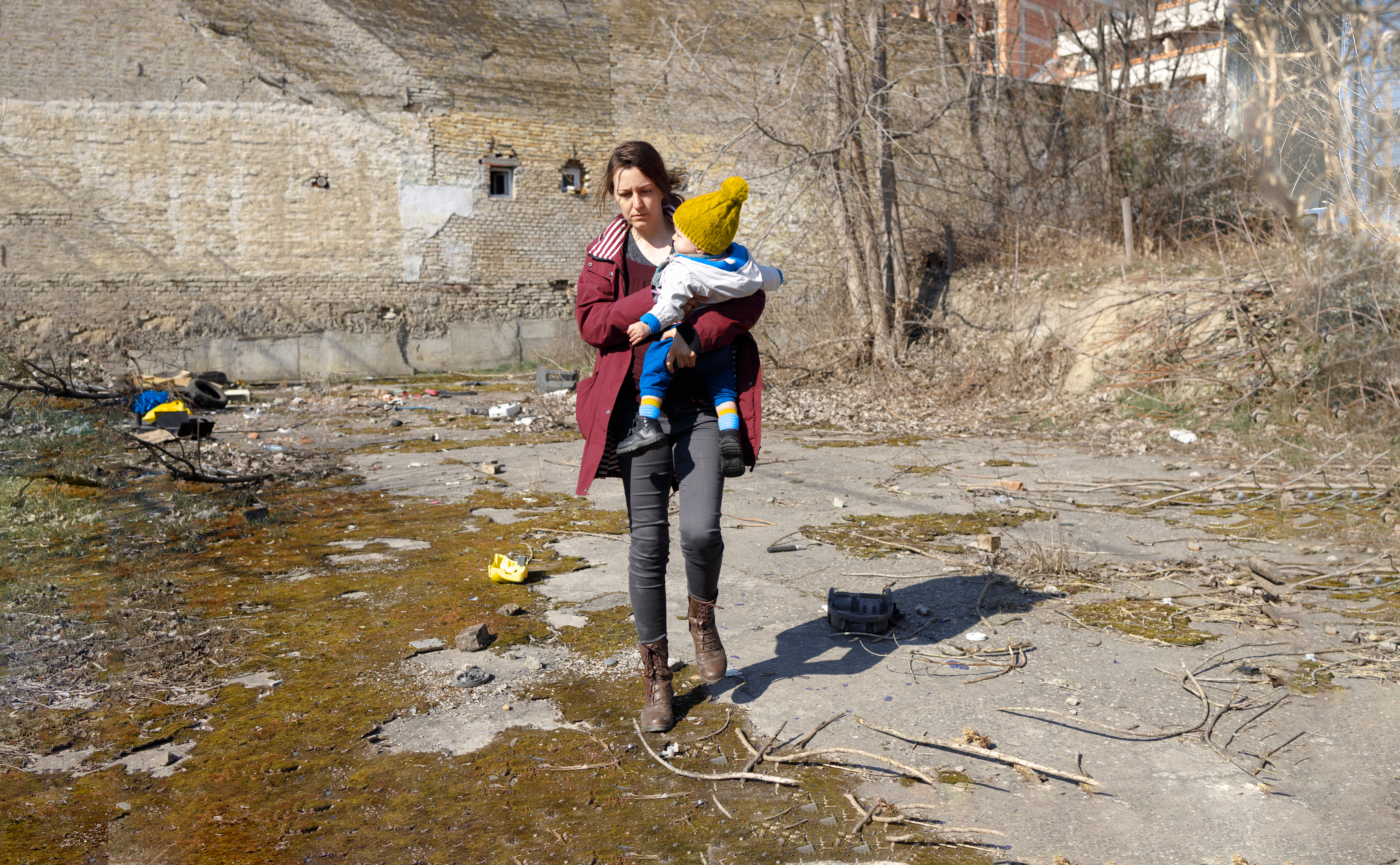
At the refugee center in Moldova’s capital, Cărpineni, most residents are women over 40, widows, single mothers, and older adults on fixed incomes. Their daily lives are a mix of survival and resilience.
Some of the children attend school in the village, others follow lessons online, and a few young adults continue their studies in the city. Some of the mothers look for work, while others wait, holding onto hope that one day the war will end. For many, what was meant to be a temporary stay has slowly become something more permanent.
As the effects of the Russia-Ukraine conflict continue to reach Moldova, many families have fled their homes in search of safety. In response, Justice & Mercy International is committed to serving those impacted by the crisis, offering practical care and the hope of Christ to refugees and vulnerable communities. You can learn more about our ongoing response in Moldova here.
Through the harsh winter months, Justice & Mercy Moldova’s Refugee Support Project continued to care for these families, helping meet basic needs with dignity. The program has a simple, urgent goal: to provide care and support to refugees in Moldova, especially during the coldest months when vulnerability peaks.
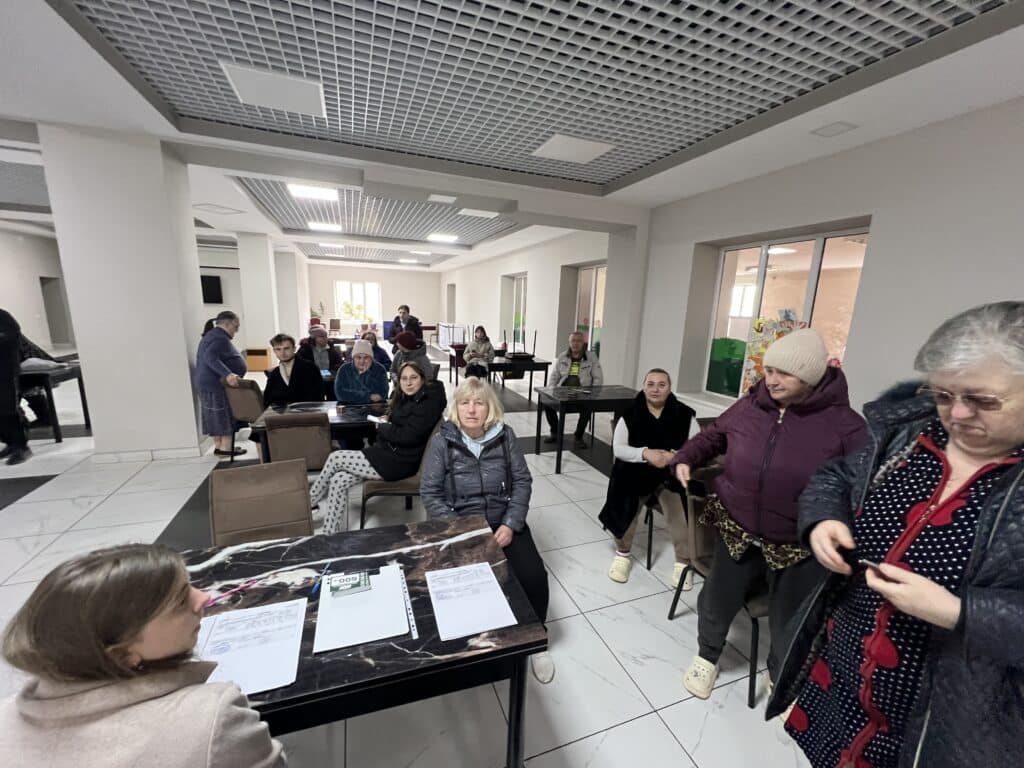
Each month, our project distributes value cards–vouchers worth 600 Moldovan lei–to around 70 refugee families. These cards allow families to choose what they need most, from food to household essentials, giving them flexibility and a small measure of control in a life shaped by displacement.
A Winter of Waiting
This year, winter has been especially harsh. Hot water is available only twice a week, and the center is often cold and quiet. But value card distribution days bring a flurry of activity. Families gather in the dining hall, waiting patiently for vouchers to help them purchase food and other essentials.
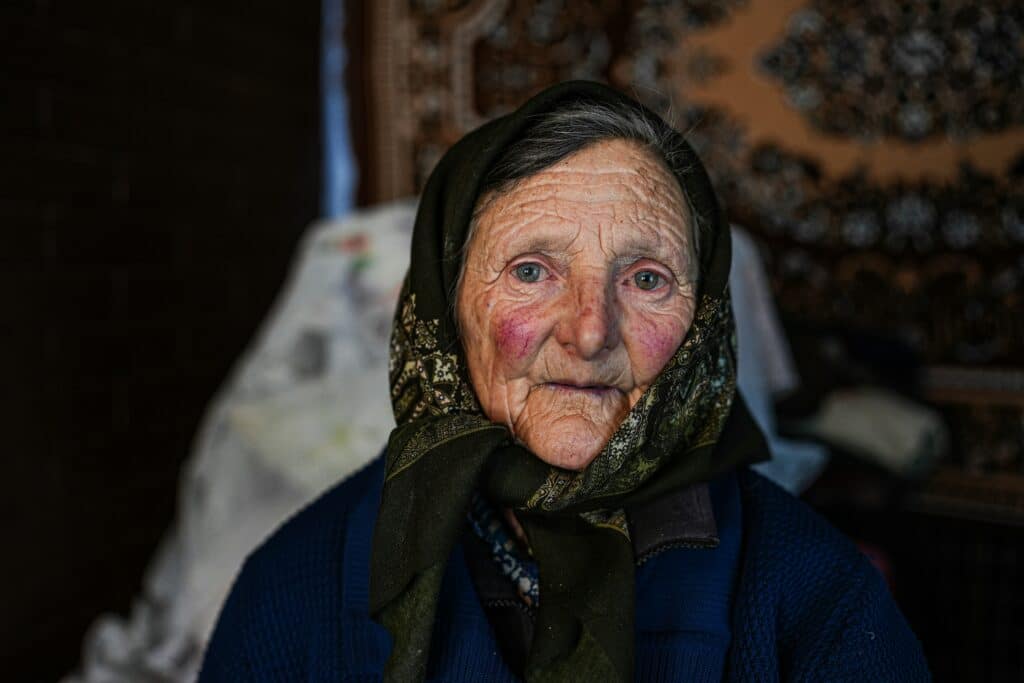
One retiree from Odesa, who has been living at the center with her disabled husband for six months, shared how she used a previous voucher to buy two kinds of fish and cook ukha, a traditional soup she had been “dreaming about” for half a year. With her 65th birthday approaching, she hopes to use this month’s voucher to prepare a small, celebratory meal. “Even though we are not at home,” she said, “we can feel a little bit like we are.”
Many women use the vouchers to meet their families’ everyday needs. One mother of five explained that nearly all her resources go toward her children, using the vouchers to purchase school supplies and household essentials. Another mother of four shared that she uses them to buy fruit, snacks, and simple foods not provided at the center. “Everything is for the children,” she said.
Other residents are less mobile or living with disabilities. In these moments, neighbors step in to help, shopping for them and carrying groceries they cannot manage on their own.
Across this range of needs, the vouchers are lifelines. They make it possible to maintain a decent diet, purchase hygiene products, and hold onto a sense of normalcy.
Life in Transition
Since December, about 15 refugees have left the center—some to Europe, others to safer regions in Ukraine. Five new arrivals have come, some staying temporarily, others for a longer term. Life continues in cycles marked by arrivals, departures, and small gestures of care.
Visits from Moldova’s Ministry of Social Protection have added an undercurrent of uncertainty. Rumors circulate that some centers may merge while others may close. In the corridors, anxious conversations continue as people wait for warmer days and, ultimately, for peace.
Amid these uncertainties, the Refugee Support Project remains a constant. It offers practical support through a simple card, along with a hot meal and a moment of care for people who have lost almost everything.
In those small moments, winter feels a little warmer, and hope a little closer.
Give Today
 304 44th Ave. N