
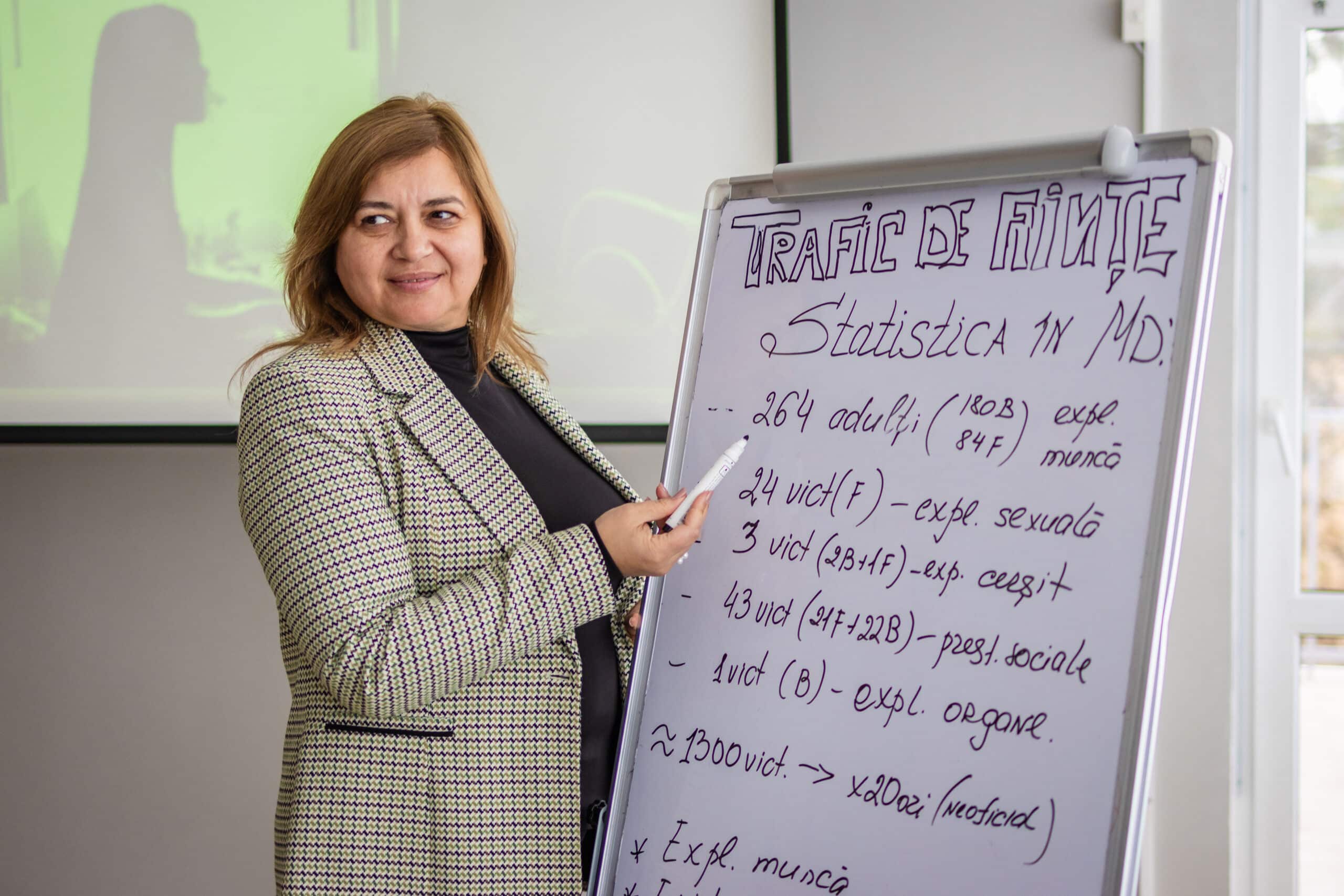
In Justice & Mercy Moldova’s Transitional Living program, social workers serve as the bridge between crisis and independence. They balance case files and paperwork with the needs of the young people behind them. They monitor academic progress, coordinate with families and schools, and create an environment where teenagers feel safe enough to dream again. Here, our social workers share what it takes to earn a vulnerable teenager’s trust, carry the weight of their stories, and walk alongside them as they build a new future.
———————–
Q+A with Raisa B., Social Worker

Q: What does an ordinary day actually look like for you in this position?
A: An ordinary day is when things go according to the plan you made the day before. But very often, plans suddenly take a different turn depending on how the day goes for the beneficiaries and what unexpected situations may arise. The day often begins with conversations in Viber groups and private chats with the children and their teachers.
Q: When do you feel most connected to these young people?
A: When we talk one-on-one over a coffee and sincerely share stories from our lives. In those moments, they begin to see you from a different perspective — not just as a worker, but as someone they can trust.
Q: What is one of the most important things teenagers need when they arrive here?
A: Support, compassion, care, and safety.
Q: What is the hardest part of your work that people rarely talk about?
A: I think it’s when I hear stories about violence in their families involving their mother or father, and realize how little I can sometimes do to help. When you see sadness in their eyes, yet they still have to keep up with school activities and the program. But I find comfort in knowing they are fed, warm, and safe.
Q: How do you build trust with a teenager who has gone through difficult experiences?
A: At first, it’s difficult. But with time, patience, and genuine care from our side, their hearts slowly begin to open.
Q: What impact do you hope to have in their lives?
A: I want to leave a positive mark in their lives, and I hope that in the future they will remember us warmly and with a smile.
Q: What surprises you most often about the young people you work with?
A: The way they first open the gate for us when we step into their yard — with frightened eyes — and later, the confidence with which they graduate from the program.
Q: What do you want these teens to leave the program with?
A: I would want them to leave with God and experience a new life.
———————–
Q+A with Olesea S., Social Worker
 Q: What does an ordinary day actually look like for you in this position?
A: An ordinary day includes communicating with teenagers. I monitor their attendance and academic performance, communicate with teachers, and support them in different situations. I also work with documents and the teenagers’ personal files.
Q: When do you feel most connected to these young people?
A: The strongest connection is felt when teenagers begin to sincerely talk about their experiences and life situations. Often, this happens during simple conversations when they feel they are being listened to without judgment.
Q: What is one of the most important things teenagers need when they arrive here?
A: I believe that first of all they need emotional safety, acceptance, and support. Many of them need to feel seen, understood, and believed in. It is also important for them to know God and understand that He is near to them.
Q: What is the hardest part of your work that people rarely talk about?
A: One of the hardest parts is understanding that it’s impossible to solve all the problems teenagers go through. Sometimes you see difficult family situations or emotional trauma, and you really wish you could do more for them.
Q: How do you build trust with a teenager who has gone through difficult experiences?
A: Trust is built gradually through patience, sincerity, and consistency. I try to listen to teenagers without judgment and show through my actions that I can be relied on.
Q: What are the most meaningful moments in this work that motivate you to continue?
A: The most inspiring moments are when you notice positive changes in teenagers — when they become more open, more confident, or begin to believe in their future and their abilities. It’s also encouraging when they show love and sincerity in return. I especially love seeing them enjoy the profession they are studying for and wanting to achieve great success in it.
Q: What surprises you most often about the young people you work with?
A: I’m often surprised by their ability to keep moving forward despite difficult life circumstances. Many of them have great potential and a strong desire to change their lives and break free from the environment they grew up in.
Q: What do you want these teens to leave the program with?
A: I would want them to keep the confidence that they are valuable and capable of building a good future. I would also want them to know that they were accepted and important just as they are.
———————–
What Raisa and Olesea get to witness every day is nothing short of God’s restoring work. They have watched teenagers arrive with guarded hearts and leave knowing they are seen, safe, and loved. While they can’t erase the pain of the past, they have the privilege of walking alongside these young men and women as they discover who God created them to be and begin to believe that their future can look different.
We give thanks to God for the transformation taking place in these teens’ lives, and we count it a privilege to be part of their stories.
 304 44th Ave. N