

When teenagers move into Justice & Mercy Moldova’s Transitional Living program, alongside their personal belongings, they’re often carrying years of grief, rejection, instability, trauma, or unhealthy patterns that have shaped the way they see themselves, others, and even God.
JMM’s psychologists provide a safe place to process the emotional wounds beneath the surface. Through counseling, trauma support, assessments, and ongoing conversations, they help young people build healthy relationships and begin the healing process.
We asked two of JMM’s psychologists, Anastasia B. and Natalia O., to share what that journey looks like from their perspective.
———————–
Q+A with Anastasia B., Psychologist

Q: How many years have you been in this role?
A: I have served as a psychologist with Justice & Mercy Moldova since 2015.
Q: What type of emotional challenges do teenagers come to the program with?
A: Every teenager’s story is different because they come from different families and backgrounds. Many struggle with trust, emotional regulation, and healthy relationships. Some express their pain through conflict, defiance, withdrawal, or challenging behavior as they learn whether the adults around them are safe to trust.
Q: What are the most difficult moments in this role?
A: Early in my career, it was difficult not to become emotionally overwhelmed by the pain these young people carried. Now, the hardest moments are when a teenager seems resistant to help or uninterested in change. Those situations require great patience because lasting transformation cannot be forced.
Q: What is a small moment when you notice that healing is happening?
A: Healing often begins with small steps. I see it when a teenager starts asking honest questions about the things that have hurt them and wants to understand or change unhealthy patterns. I also see it when they become more open and willing to talk about painful experiences they once kept hidden.

Q: What do teenagers do when they cannot put what they feel into words?
A: Many communicate through their behavior rather than their words. Some withdraw or become quiet, while others become defensive, aggressive, or try to redirect difficult conversations. Their reactions often reveal what they are feeling long before they can explain it.
Q: Is there something that surprised you about these young people?
A: Every young person changes differently. Some experience breakthrough moments quickly, while others grow steadily over a much longer period. One thing I’ve learned is to respect them as young adults who are still forming their identity. We help them understand who they are, what they value, and who God created them to be. Ultimately, true healing comes from Him.
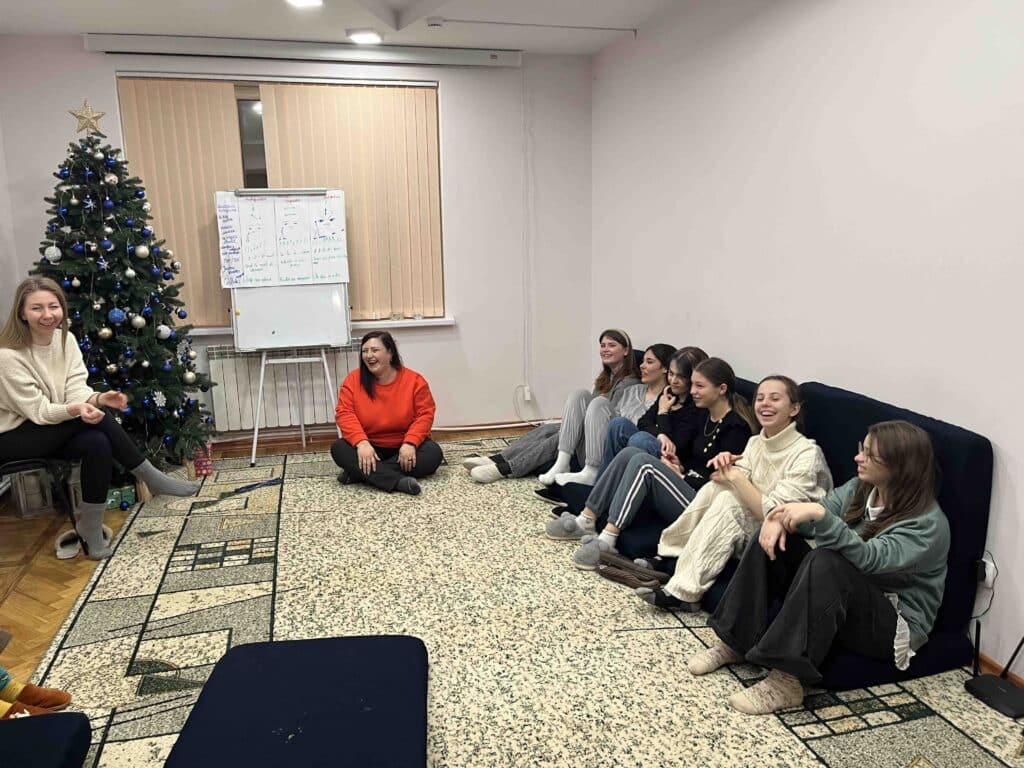
Q: What activities help teenagers open up?
A: Genuine conversations are often the most effective, but trust takes time. Many of these teens have experienced broken relationships, so they need to know you truly care before they begin to share openly. Spending time together through everyday activities also helps build that trust.
I remember one girl who spent months in individual counseling before telling me she finally realized I wasn’t trying to “fix” her. She understood that I was genuinely interested in her life, and that was when she began sharing some of her deepest hurts.
Another young man initially mocked the trainings I led. After several conversations, he admitted he simply needed time to know he could trust me. Once we worked through what was hurting him, he became one of the most engaged participants.
Q: What are the moments in this role that bring you joy?
A: The greatest joy is seeing growth, even in small ways. When those who were afraid to present themselves in a group can speak publicly and with confidence. When those who were negative and indifferent become active, they can easily help newcomers adjust to the program. When those who didn’t even want to read the Bible begin to pray and attend the local church. When the boy for whom identifying emotions was a problem speaks without fear about what he feels and develops empathy. When the girl who suffered because of family problems can support her mother and looks optimistically toward the future. When a boy who couldn’t express his thoughts clearly and coherently now becomes a good moderator at monthly meetings. Those moments remind me that healing is possible.
———————–
Q+A with Natalia O., Psychologist

Q: How many years have you been in this role?
A: I have served as a psychologist with Justice & Mercy Moldova since February 2023.
Q: What type of emotional challenges do teenagers come to the program with?
A: The majority of teenagers come to our program with feelings of insecurity, low self-esteem, anxiety, fears, feelings of loneliness, isolation, difficulties in expressing emotions, tendencies toward aggression or conflict, depressive states, lack of trust in people, and increased vulnerability to stress and stressful situations.
Q: What are the most difficult moments in this role?
A: Many young people don’t yet recognize the emotional wounds they carry, so they don’t realize they need help. Because of this lack of awareness, they are unable to ask for help. They don’t want to show that they need support; they prefer to hide it behind the mask of “everything is fine… I’m okay.”
Q: What is a small moment when you noticed that healing is happening?
A: Healing begins when a young person stops withdrawing behind emotional walls and is no longer afraid to trust others or appear vulnerable. For some, that breakthrough doesn’t come until the very end of the program.
Q: What do teenagers do when they cannot put what they feel into words? How does that show?
A: Many teenagers struggle to express their emotions verbally, so their feelings often come out through their behavior. They may become involved in conflicts, withdraw from others, remain silent, refuse to participate in activities, or break rules. These behaviors often reflect emotions they don’t yet know how to express.

Q: Is there something that surprised you about these young people?
A: I continue to be amazed by their resilience, perseverance, and determination when they set their minds to something. They also have a remarkable ability to sense the emotions and motivations of the adults around them.
Q: What activities do young people enjoy that also help them open up?
A: Informal time together often creates the best opportunities for meaningful conversations. Sharing tea, playing games, watching movies, or participating in sports helps build trust and encourages young people to open up.
Q: What are those moments in this role that recharge you and bring you joy?
A: I find great joy in seeing negative patterns replaced by healthy ones through creativity, hobbies, games, and sports. One of the greatest rewards is when young people return later to share their successes or reach out because they trust me enough to ask for help or advice.
———————–
As Anastasia and Natalia’s insights show, some of the greatest victories in the TL program look like a young person choosing to trust, discovering their worth, or taking the first steps toward a future marked by healing instead of hurt. These teens demonstrate such courage, and we praise the Lord for the work He is doing in their lives. It is an honor to walk alongside them.
 304 44th Ave. N